Discover Your Next Run
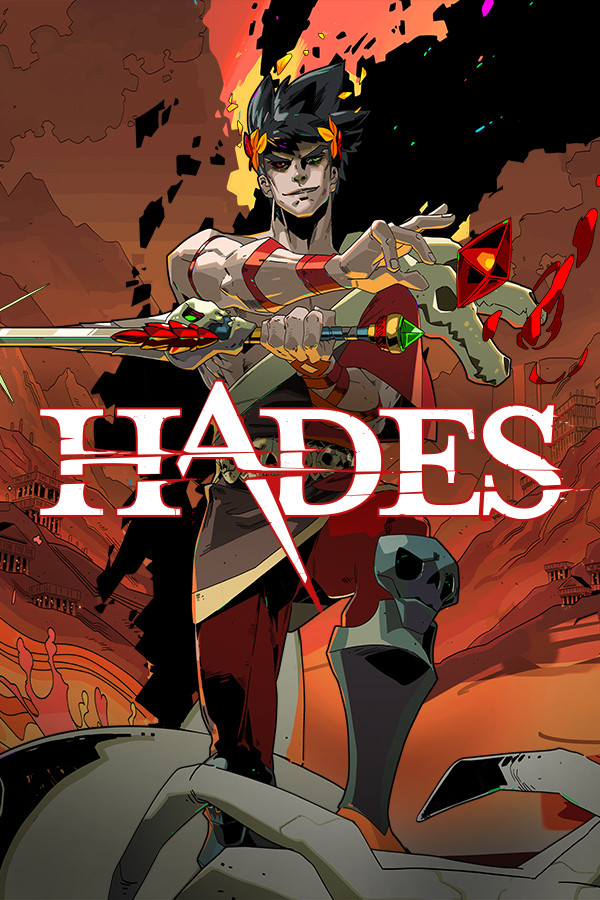
Top-down Action
Hades Review
Roguelike Radar editorial ·
Fight your way out—and know everyone by name.
Is Hades worth playing?
Hades is the all-rounder of the group. Controls, combat feedback, buildcraft and character writing fit together unusually well, so failure advances relationships and knowledge even before permanent upgrades enter the picture.
From the official description
Defy the god of the dead as you hack and slash out of the Underworld in this rogue-like dungeon crawler.
Read more on Steam
What makes it distinct
Godly boons alter attacks, casts and movement, while the Mirror and alternate talents add options rather than relying only on flat stat gains.
What holds up
- Combat is quick and readable across weapons with genuinely different rhythms.
- Story scenes make failed escapes feel connected to progress rather than detached from it.
- Alternate talents and boss variations create more room for builds inside a fixed journey.
What to know first
- The route and encounter structure become familiar sooner than in the most content-heavy games here.
- Permanent resources and upgrades matter more than they do in lower-grind roguelikes.
Who should play Hades?
Players who want polished action and character-driven storytelling without giving up meaningful builds.
Anyone who wants every run to reveal a radically different world, or prefers almost no permanent progression.
How Hades plays
- Combat
- Manual
- Run shape
- Branching rooms
- Build lives in
- Boons + Weapons + Keepsakes
- Long-term power
- Medium–heavy
- Run variance
- Medium–high
- View
- Isometric
Melee / ranged action
25–40 min per attempt
Room rewards · Shops · Between-run setup
Meta progression
How far attempts can diverge
Action roguelite