New to roguelites?
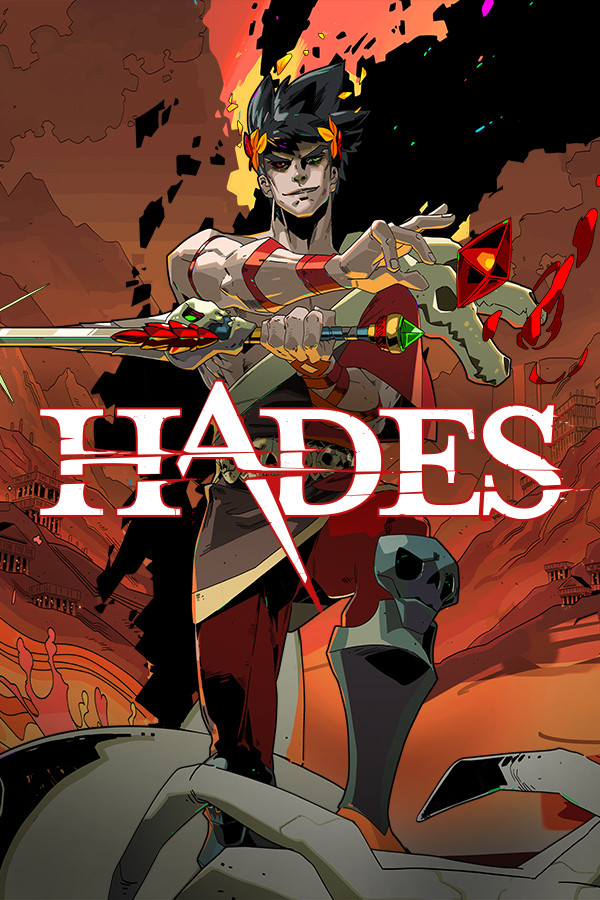
Start with Hades for clear goals, flexible difficulty, responsive combat, and a story that keeps failure moving forward.
Read the Hades reviewDiscover Your Next Run
Editorial guide ·
The best roguelike is the one that makes you want one more run for the right reason. This focused shortlist compares six genre-defining games by action, strategy, build depth, random control, run length, and permanent progression—not by popularity alone.
It is an opinionated starting point rather than an exhaustive ranking: each pick sets a benchmark for a different kind of player.
Start here
Start with Hades for clear goals, flexible difficulty, responsive combat, and a story that keeps failure moving forward.
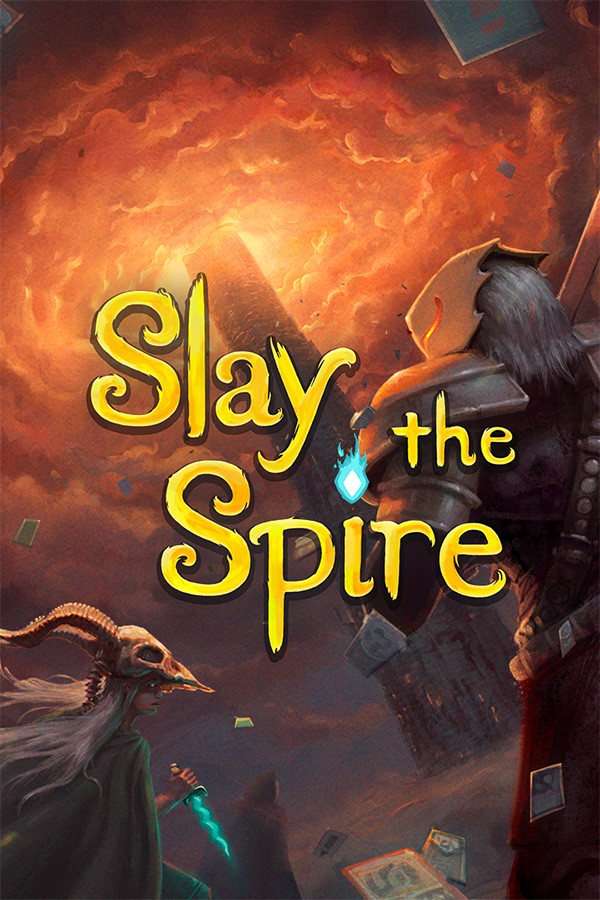
Read the Hades reviewChoose Slay the Spire for readable turn-based combat and the deepest control over an imperfect set of rewards.
Read the Slay the Spire reviewPick Dead Cells for fast platforming and melee combat, or Enter the Gungeon if dodging bullet patterns is the main appeal.
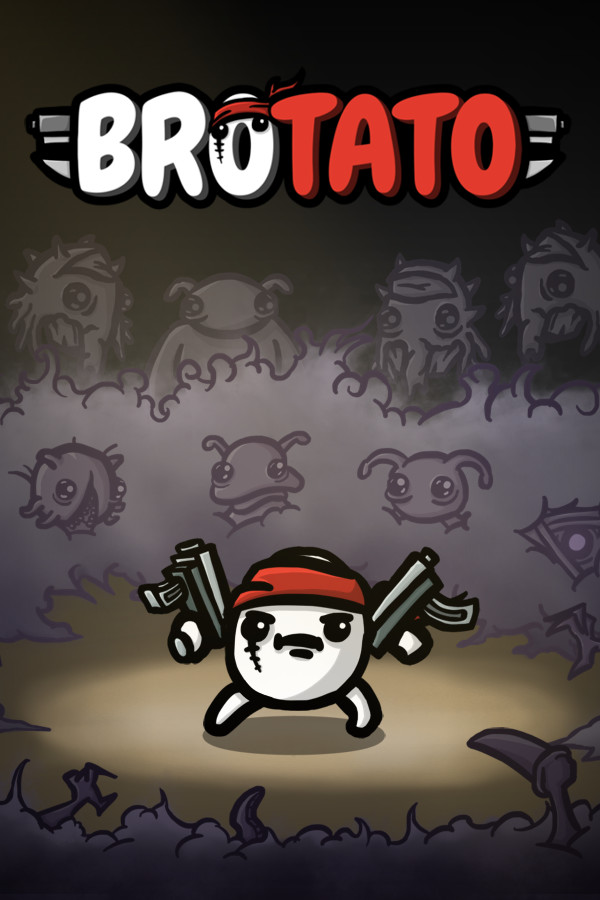
Read the Dead Cells reviewBrotato fits a complete build into 20–30 minutes, with frequent shop decisions and almost no downtime.
Read the Brotato reviewThe shortlist
Each review includes strengths, drawbacks, run structure, and who the game suits best.
Best for strategy and controlled randomness
If one game has to stand for the modern deckbuilding roguelike, this is it. Slay the Spire turns imperfect rewards into a long chain of readable, consequential decisions—and makes winning feel earned rather than granted by a lucky draw.
Best for secrets, synergies, and run variety
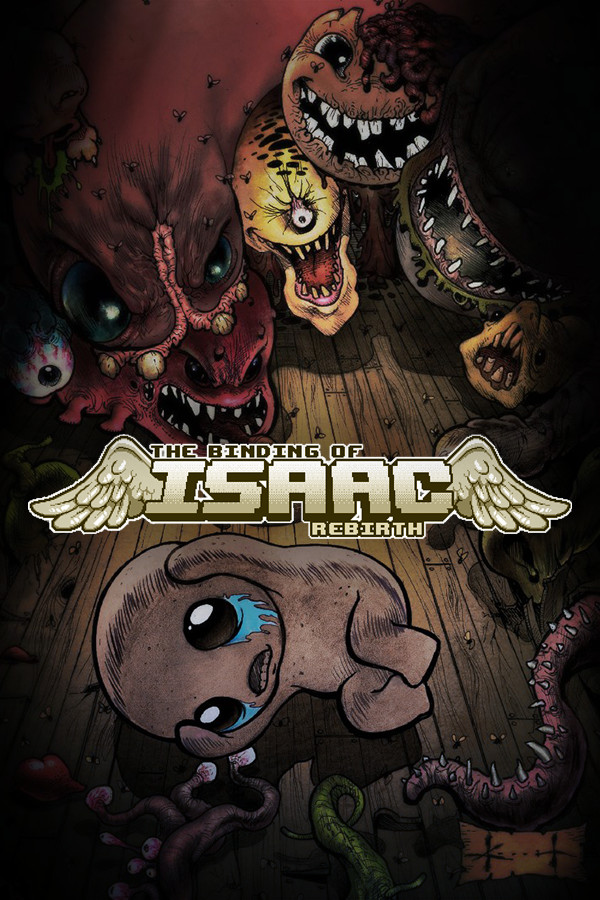
Isaac is almost a genre of its own. Plenty of games copy the rooms, pickups and twin-stick shooting; very few reproduce the dense web of item interactions and secrets underneath them.
Best for fast side-scrolling combat
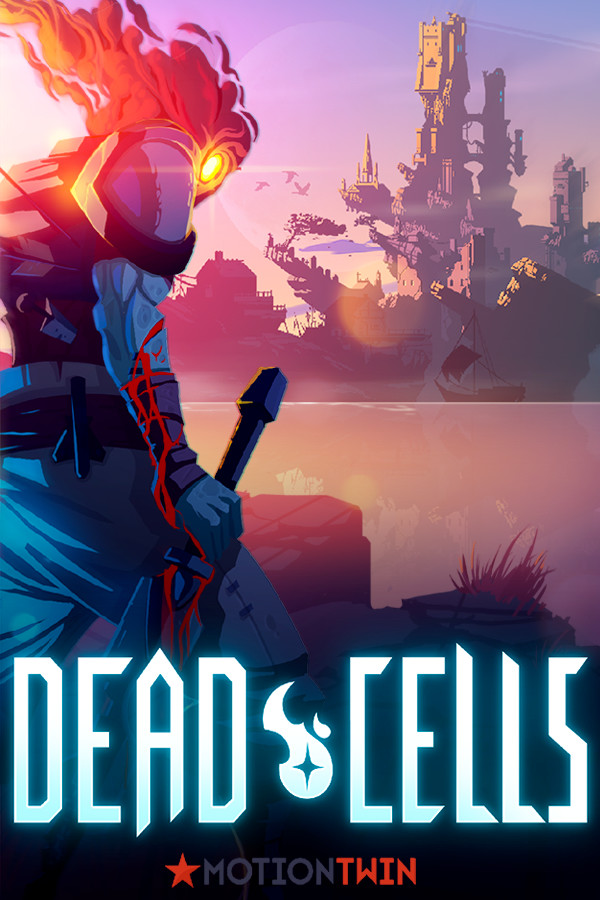
Dead Cells is the benchmark for side-scrolling action roguelikes. The art, music and arsenal all pull their weight, but the reason to return is simpler: moving, striking and reacting feel exceptionally good.
Best for newcomers, story, and polished action
Hades is the all-rounder of the group. Controls, combat feedback, buildcraft and character writing fit together unusually well, so failure advances relationships and knowledge even before permanent upgrades enter the picture.
Best for quick runs and compact buildcraft
Brotato improves the survivor formula by making it smaller and more deliberate. Short waves create regular decision points, defense is a real build choice, and the shop makes gold, rerolls and stat priorities matter every few minutes.
Best for bullet-hell shooting and boss mastery
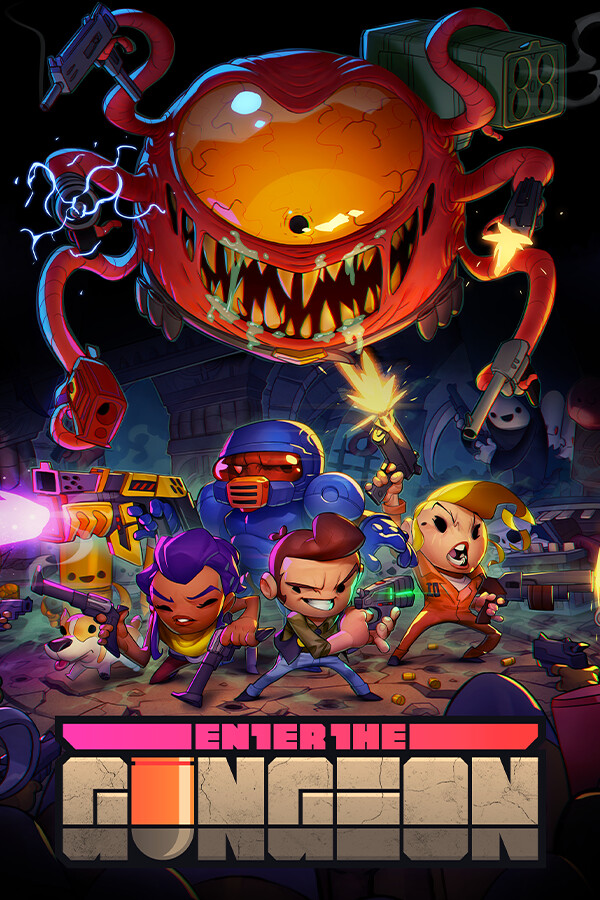
Gungeon is the definitive gun-focused top-down roguelike. The count is impressive, but differentiation is the real achievement: projectiles, reloads, animation and mechanical identity make much of the arsenal recognizable at a glance.
Side by side
| Game | Best for | Combat | Run length | Meta progression | Entry level |
|---|---|---|---|---|---|
| Slay the Spire | strategy and controlled randomness | Cards | 45–90 min | Light | Deep |
| The Binding of Isaac: Rebirth | secrets, synergies, and run variety | Twin-stick shooting | 35–60 min | Light | Demanding |
| Dead Cells | fast side-scrolling combat | Melee / ranged | 30–60 min | Medium | Hard |
| Hades | newcomers, story, and polished action | Melee / ranged action | 25–40 min | Medium–heavy | Flexible |
| Brotato | quick runs and compact buildcraft | Auto-targeted ranged / melee | 20–30 min | Light | Easy to start |
| Enter the Gungeon | bullet-hell shooting and boss mastery | Twin-stick bullet hell | 40–70 min | Light | Hard |
Genre basics
In the stricter sense, a roguelike resets nearly all run power when you die. Procedural levels, high stakes, and learning—not permanent stat upgrades—create progress. Modern players also use the term more broadly for many run-based games.
A roguelite keeps the repeatable-run structure but relaxes some of those rules, often adding permanent unlocks, story progress, or upgrades between attempts. The boundary is fuzzy, so this guide states each game’s meta progression instead of hiding behind a label.
Quick answers
Hades is the strongest all-round starting point here: combat is readable, failure advances the story, and God Mode offers optional damage resistance without removing the core run structure. For short, lower-pressure attempts, Brotato is the simpler alternative.
Slay the Spire is the clearest strategy-first pick. Enemy intent is visible, so the challenge comes from deck construction, route planning, and managing risk rather than guessing what an enemy will do.
Choose Dead Cells for fluid side-scrolling combat, Enter the Gungeon for precise bullet-hell dodging, or Hades when story and accessible progression matter as much as execution.
The Binding of Isaac: Rebirth has the widest item-synergy space in this shortlist. Slay the Spire offers more control over randomness; Isaac offers more surprise.