Discover Your Next Run
Survivors-like
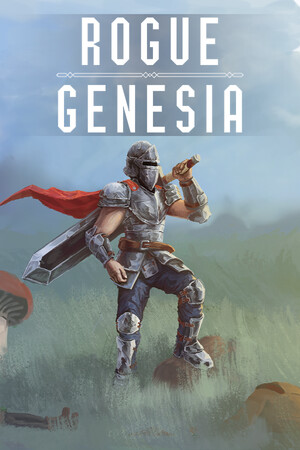
Rogue: Genesia Review
Roguelike Radar editorial ·
Weapon specialization and artifacts push builds toward a smaller set of priorities.
Is Rogue: Genesia worth playing?
Rogue: Genesia looks familiar until its support upgrades and relics start rewarding commitment to a small number of weapons. A run can revolve around one carefully amplified tool instead of collecting every attack offered, although rarity tiers too often decide which reward is correct before its mechanics matter.
From the official description
Walk upon a new world and slay foes endangering it. Rogue : Genesia is an action rogue-lite game, where you fight relentless hordes consisting…
Read more on Steam
What makes it distinct
Weapons are surrounded by dedicated support upgrades and relics, allowing a narrow build to scale harder than a wide collection of attacks.
What holds up
- Specialization gives runs a clearer identity and makes support rewards meaningful parts of the build.
- The stage-map structure introduces planning breaks without abandoning the quick survivor combat loop.
What to know first
- High-rarity rewards can overpower lower-tier options by multiples, turning some choices into formalities.
- Its strongest ideas sit inside a framework that still resembles the games it follows very closely.
Who should play Rogue: Genesia?
Buildcrafters who would rather perfect one weapon package than fill every available attack slot.
Players who need tightly balanced reward tiers or a radical departure from the survivor template.
How Rogue: Genesia plays
- Combat
- Auto or hybrid
- Run shape
- Timed waves or stages
- Build lives in
- Weapons + Skills + Stats
- Long-term power
- Medium
- Run variance
- High
- View
- Top-down arena
Horde survival
20–35 min per attempt
Level-ups · Drops · Between-run unlocks
Meta progression
How far attempts can diverge
Bullet heaven