Discover Your Next Run
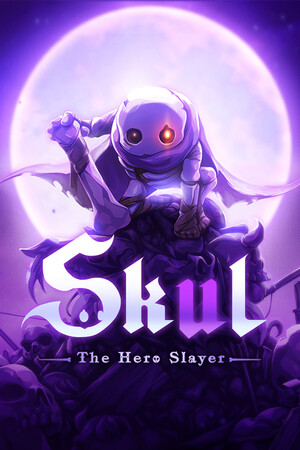
Side-view action
Skul: The Hero Slayer Review
Roguelike Radar editorial ·
Swappable skulls transform movesets while items shape the supporting build.
Is Skul: The Hero Slayer worth playing?
Skul’s best idea is treating character classes as equipment: a run can carry two skulls and switch between their complete movesets. The roster creates excellent variety and pairs well with item inscriptions, though familiar rooms and stat-heavy permanent progression become more visible after the novelty of new forms fades.
From the official description
Guide 'Skul' on his quest to single-handedly take on the Imperial Army and rescue his King from captivity, in an action-packed rogue-lite 2D platformer…
Read more on Steam
What makes it distinct
Two equipped skulls can be swapped during combat, replacing attacks, movement, skills, and sometimes the role of the entire build.
What holds up
- Skulls change timing and mobility enough to make character discovery a genuine source of replay value.
- Item inscriptions reward supporting a moveset instead of simply taking the largest numerical upgrade.
What to know first
- Repeated room structures make the journey feel more predictable than the playable roster.
- Permanent statistics and upgrade materials introduce a grind that can blur skill-based improvement.
Who should play Skul: The Hero Slayer?
Action players who enjoy adapting to new character kits and building items around a favored form.
Players who want highly variable levels or minimal reliance on permanent progression.
How Skul: The Hero Slayer plays
- Combat
- Manual
- Run shape
- Procedural rooms and stages
- Build lives in
- Weapons + Items + Route choices
- Long-term power
- Light–medium
- Run variance
- High
- View
- Side-view
Platforming action
25–60 min per attempt
Room rewards · Shops · Stage transitions
Meta progression
How far attempts can diverge
Side-view action