Discover Your Next Run
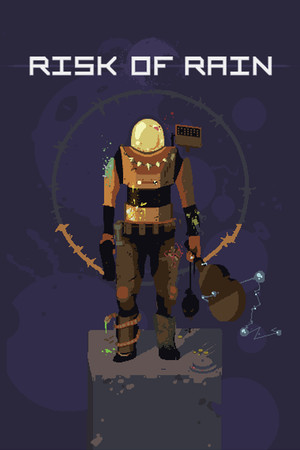
Side-view action
Risk of Rain (2013) Review
Roguelike Radar editorial ·
Item stacking and a constantly rising difficulty timer define each stage run.
Is Risk of Rain (2013) worth playing?
Risk of Rain makes time a resource before the player picks up a single item. Searching a stage can produce more money and equipment, but the global difficulty keeps climbing, so greed has a visible future cost; once stacks begin interacting, that early tension turns into one of the genre’s most memorable power curves.
From the official description
Risk of Rain is an action platformer with roguelike elements. With permanent death as a primary feature, players will have to play their best…
Read more on Steam
What makes it distinct
A global clock raises difficulty continuously while passive items stack without a conventional limit, linking route speed to eventual build strength.
What holds up
- The tension between exploration and the timer gives stage routing meaning on every difficulty.
- Stackable items can transform modest character kits into dramatically different late-run machines.
What to know first
- Tiny sprites and large enemy crowds make dangerous effects difficult to separate during late fights.
- Long attempts can hinge on whether early item drops support the selected survivor.
Who should play Risk of Rain (2013)?
Players who enjoy escalating item stacks and making route decisions under constant time pressure.
Players who struggle with small-scale pixel visuals or want relaxed exploration between encounters.
How Risk of Rain (2013) plays
- Combat
- Manual
- Run shape
- Procedural rooms and stages
- Build lives in
- Weapons + Items + Route choices
- Long-term power
- Light–medium
- Run variance
- High
- View
- Side-view
Platforming action
25–60 min per attempt
Room rewards · Shops · Stage transitions
Meta progression
How far attempts can diverge
Side-view action