Discover Your Next Run
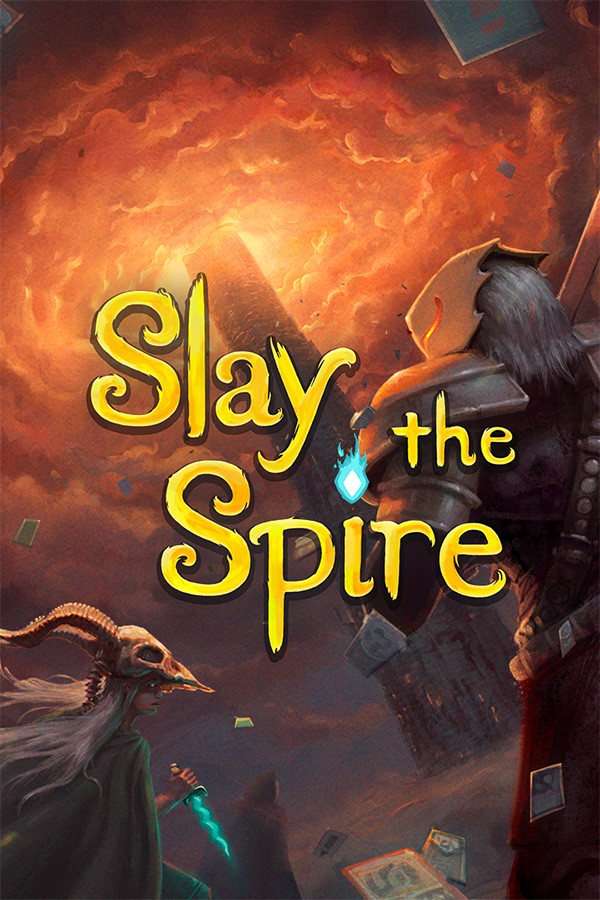
Roguelike Deckbuilder
Slay the Spire Review
Roguelike Radar editorial ·
Build a deck one difficult decision at a time.
Is Slay the Spire worth playing?
If one game has to stand for the modern deckbuilding roguelike, this is it. Slay the Spire turns imperfect rewards into a long chain of readable, consequential decisions—and makes winning feel earned rather than granted by a lucky draw.
From the official description
Craft a unique deck, encounter bizarre creatures, discover relics of immense power, and Slay the Spire!
Read more on Steam
What makes it distinct
Exceptionally controlled randomness: card rewards, relics, shops and route choices keep uncertainty high without taking decisions away from the player.
What holds up
- Enemy intent makes difficult turns legible without making them obvious.
- Cards, relics and route choices create trade-offs at several timescales.
- Four characters support distinct ways of thinking, not just different starter decks.
What to know first
- Presentation is deliberately restrained; nearly all of the appeal lives in decision-making.
- A run asks for sustained attention and is one of the longer commitments in the collection.
Who should play Slay the Spire?
Players who want to learn a system, make plans, and revise those plans when the run refuses to cooperate.
Anyone looking for reflex-driven combat or a progression loop built around permanent power.
How Slay the Spire plays
- Combat
- Turn-based
- Run shape
- Branching node map
- Build lives in
- Deck + Relics
- Long-term power
- Light
- Run variance
- Very high
- View
- Abstract / 2D
Cards
45–90 min per attempt
Combat rewards · Shops · Events
Meta progression
How far attempts can diverge
Pure deckbuilder