Discover Your Next Run
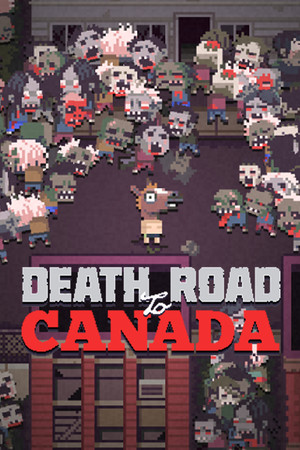
Top-down action
Death Road to Canada Review
Roguelike Radar editorial ·
A party road trip mixing real-time combat with procedural events and hard choices.
Is Death Road to Canada worth playing?
Death Road to Canada is remembered less as a sequence of fights than as a road story about strange recruits, arguments, rescues, shortages, and disastrous judgment calls. The real-time scavenging is deliberately rough, but it gives procedural events physical consequences and makes a lost party member more than a statistic.
From the official description
Control a car full of jerks as they explore cities, recruit weird people, rescue dogs, argue with each other, and face gigantic swarms of…
Read more on Steam
What makes it distinct
A changing party travels through text events and real-time scavenging missions, with personality traits reshaping both choices and their consequences.
What holds up
- Character combinations and incidents create anecdotes that remain distinct after the combat starts repeating.
- Resource shortages connect road decisions to the risks players accept during scavenging.
What to know first
- Melee and crowd control are intentionally scrappy rather than precise or deeply expressive.
- Procedural events can punish a sensible plan through outcomes that are difficult to anticipate.
Who should play Death Road to Canada?
Players who value emergent stories, party drama, and dark comedy more than polished action.
Players who dislike disruptive randomness or expect combat skill to control every important outcome.
How Death Road to Canada plays
- Combat
- Manual
- Run shape
- Procedural rooms and floors
- Build lives in
- Weapons + Items + Modifiers
- Long-term power
- Light–medium
- Run variance
- High
- View
- Top-down / isometric
Top-down action
25–60 min per attempt
Room rewards · Shops · Secrets
Meta progression
How far attempts can diverge
Top-down action