Discover Your Next Run
Deckbuilders
Griftlands Review
Roguelike Radar editorial ·
Narrative runs use separate decks for combat and negotiation.
Is Griftlands worth playing?
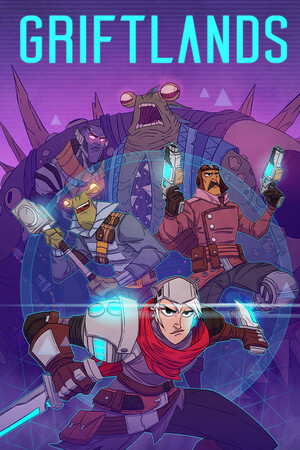
Griftlands gives conversation the same mechanical dignity as combat by maintaining separate negotiation and battle decks. Relationships, grudges, favors, and story choices feed both systems, making the first campaigns unusually reactive even though repeated narrative routes eventually expose more fixed structure than an abstract deckbuilder would.
From the official description
Griftlands is a deck-building roguelite where you negotiate, fight, steal or otherwise persuade others to get your way. Every decision is important, be it…
Read more on Steam
What makes it distinct
Every character develops one deck for physical conflict and another for negotiation, with social relationships modifying future encounters.
What holds up
- Choices change allies, enemies, rewards, and later scenes instead of living only in flavor text.
- Two independent decks let a character become persuasive in ways that do not mirror their combat build.
What to know first
- Story scenes and dialogue make runs substantially slower than a purely encounter-driven card game.
- Repeated campaigns lose surprise once major narrative branches and character reactions become familiar.
Who should play Griftlands?
Players who want card decisions embedded in character relationships and consequential science-fiction stories.
Players focused on rapid runs, endless abstract mastery, or skipping dialogue between fights.
How Griftlands plays
- Combat
- Turn-based
- Run shape
- Encounters and branching choices
- Build lives in
- Deck + Relics + Party choices
- Long-term power
- Light
- Run variance
- Very high
- View
- Abstract / tactical
Cards and tactics
40–90 min per attempt
Combat rewards · Shops · Events
Meta progression
How far attempts can diverge
Deckbuilding strategy